Whale Watching for Profit: How Big-Money Crypto Bets Move Odds and What Retail Bettors Can Do About It
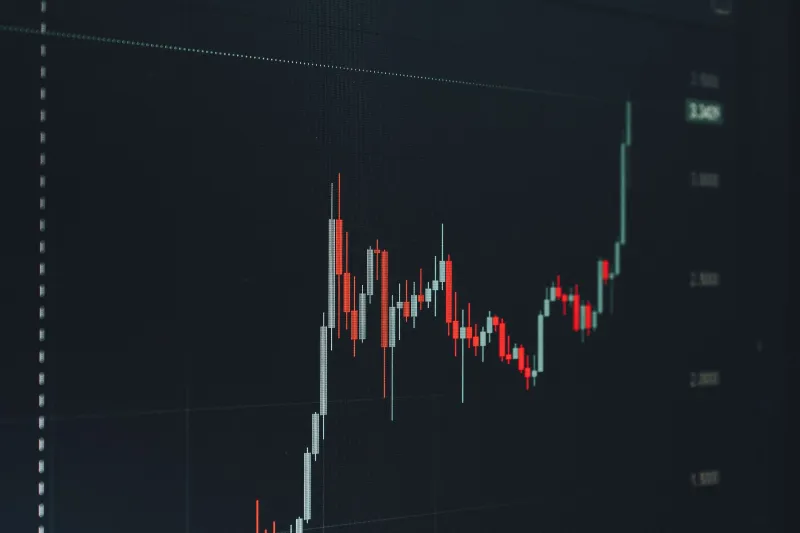
In traditional sports betting, the sharp money moves in the shadows. You hear about it after the fact — a line that opened at -3 and somehow landed at -6.5 by kickoff, with no obvious news to explain the shift. In crypto betting, that same phenomenon plays out on a public ledger. Anyone with the right tools can watch it happen in real time.
That's one of the genuinely underappreciated advantages of blockchain-based wagering. The opacity that protects big bettors in legacy sportsbook environments doesn't exist in the same way on-chain. And for retail players willing to do a little homework, that transparency can be turned into a real edge.
Who Counts as a Whale in Crypto Betting?
The term gets thrown around loosely, but in the context of betting markets, a whale is any bettor whose individual wager is large enough to meaningfully move the odds. In crypto terms, we're often talking about single bets in the range of $50,000 to several million dollars — amounts that would make even a major US sportsbook flinch.
These aren't always individuals. Some of the biggest on-chain bets come from syndicates, algorithmic trading operations, or well-capitalized groups that treat sports betting the same way a hedge fund treats an arbitrage opportunity. They have data advantages, faster execution, and the bankroll to absorb variance that would wipe out most retail bettors.
The key point: when these players move, markets react. And on decentralized or semi-decentralized betting platforms, those moves leave a trail.
How Whale Bets Actually Shift the Lines
Odds in betting markets — whether traditional or crypto — are fundamentally a reflection of money flow, adjusted for the platform's margin. When a large bet comes in on one side of a market, the platform (or the automated market maker, in the case of decentralized platforms) rebalances to manage its liability. That means the odds on the heavily-bet side get less attractive, and the other side gets a slight boost.
On a decentralized platform using an AMM model, this is mathematically automatic. A whale dropping $500,000 on a single outcome will immediately shift the implied probability of that outcome, making subsequent bets on that same side worse value and bets on the opposing side better value.
This creates an interesting dynamic: the whale's action is essentially a market signal. Whether it's useful information depends on why they bet the way they did.
Reading On-Chain Data: What to Look For
Here's where crypto betting gets genuinely interesting for the analytically-minded bettor. On blockchain-based platforms, large transactions are public. You can monitor wallet activity, track bet sizes, and in some cases identify patterns tied to known high-volume addresses.
A few things worth paying attention to:
Sudden liquidity shifts before major events. If you're watching a decentralized betting pool and you see a significant imbalance develop hours before a game, that could reflect informed money moving early. It doesn't guarantee anything, but it's worth factoring in.
Wallet clustering patterns. Sophisticated on-chain analysts have identified clusters of wallets that tend to move in coordination — betting the same outcomes around the same times. Tools like Nansen or Dune Analytics dashboards built around specific betting protocols can surface these patterns.
Timing relative to news. Whales who beat the market are often reacting to information faster than the general public. If a line moves sharply and you can't find a corresponding news event to explain it, that's a signal worth noting.
None of this is a crystal ball. But in a space where most retail bettors are flying blind, even a partial information advantage matters.
The Line Between Signal and Noise
Here's the honest caveat: not every big bet is smart money. Whales can be wrong. They can be hedging positions elsewhere. They can be making liquidity plays that have nothing to do with their actual prediction about the outcome.
One of the more common traps for retail bettors is "whale-following" — seeing a large bet come in and immediately copying it without understanding the context. If the whale is hedging a large position they took earlier at better odds, following their current bet might mean chasing a trade that no longer makes mathematical sense for you.
The more useful approach is to treat whale activity as one data point in a broader picture. Does the large bet align with your own read on the market? Does it match what the line movement suggests about where the sharp consensus is sitting? If the signals line up, that's more meaningful than any single transaction in isolation.
Practical Timing Strategies for Retail Players
Even without sophisticated on-chain monitoring tools, retail bettors can benefit from understanding the whale effect through a few practical habits:
Bet early on markets with thin liquidity. Before the whales arrive, early lines on smaller markets can be softer. Getting in before the big money reshapes the odds is a legitimate edge.
Watch for line overreaction. Sometimes a large bet pushes a line further than the underlying probability justifies, creating value on the opposite side. If you see a line move dramatically without a clear fundamental reason, the overcorrected side is worth a look.
Track line movement velocity. A line that drifts slowly over several hours reflects gradual public betting. A line that jumps two or three points in twenty minutes reflects something else — usually a single large bet or coordinated action. Fast moves are worth paying attention to.
Use the transparency. On platforms where transaction data is public, bookmark the relevant block explorer pages for contracts you bet on regularly. You don't need to be a developer to spot unusual activity in a transaction feed.
Does Any of This Actually Matter for the Average Bettor?
Honestly? It depends on how seriously you take your bankroll management and how much time you're willing to invest. For casual bettors placing modest wagers on NFL games, whale-watching is probably more interesting than it is profitable. The edge you can extract is real but marginal at that scale.
For bettors who are genuinely trying to build a sustainable edge — people treating their crypto betting activity as a skill-based endeavor rather than pure entertainment — understanding market structure is essential. Knowing when odds have been moved by informed money versus public sentiment is a core competency for anyone who wants to beat the market consistently.
The blockchain makes that information available. Most bettors just aren't looking at it yet. That gap won't last forever, but right now, it's one of the more underutilized edges in the space.