When Crypto Tanks Mid-Bet: A Survival Guide for Bettors Caught in Volatile Markets
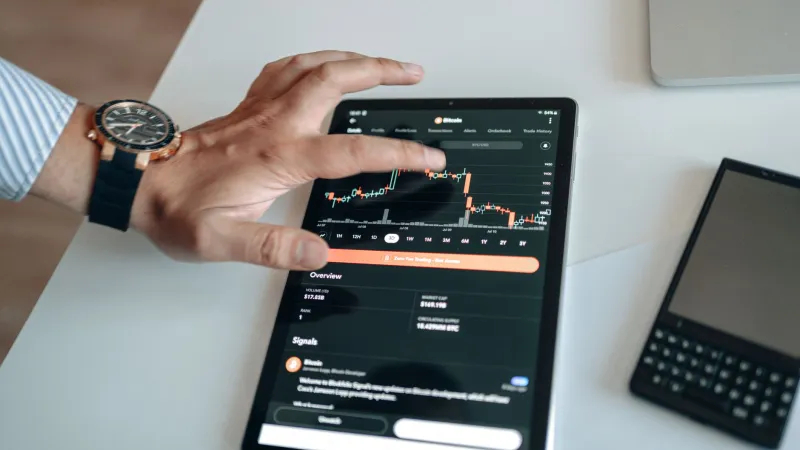
It's happened to more bettors than anyone likes to admit. You've got a solid position locked in, you're watching the game, and then your phone lights up with a notification that Bitcoin just dropped 18% in 40 minutes. Suddenly your collateral is worth a lot less, your platform's settlement math looks different, and the bankroll you thought was safe is looking a little shaky.
Flash crashes are one of those realities that come with the territory of betting with crypto. Unlike fiat-funded sportsbooks, where your deposited dollars stay dollars, crypto betting means your bankroll is always one bad candle away from shrinking — even if your picks are dead-on. That's not a reason to avoid crypto betting. It is a reason to have a plan.
Here's what you actually need to know.
What Even Is a Flash Crash, in Betting Terms?
A flash crash is a sudden, sharp drop in asset price — usually within minutes — followed by a partial or full recovery. They happen in crypto more than in traditional markets because liquidity is thinner, leverage is everywhere, and algorithmic trading bots can pile onto a move and amplify it fast.
For bettors, the problem isn't just watching your wallet balance drop. It's the downstream effects:
- Collateral requirements shift. Some platforms that offer futures-style or exchange-based betting require minimum collateral values. A flash crash can push you below that threshold, triggering forced liquidations or bet cancellations.
- Settlement terms get complicated. If a bet settles in ETH or BTC during a crash window, the USD equivalent of your payout might be dramatically different from what you expected.
- Odds can move unexpectedly. On decentralized platforms, liquidity providers may pull back during volatility, widening spreads or temporarily suspending markets.
None of this is catastrophic if you're prepared. All of it can hurt badly if you're not.
Early Warning Signals Worth Watching
You don't need to be a chart-reading wizard to catch early signs that the market is getting unstable. A few practical indicators go a long way:
Funding rates spiking on perpetual futures. When funding rates on exchanges like Binance or Bybit go extremely positive, it means the market is heavily leveraged long. That's kindling. One bad news headline can light the fire.
Fear & Greed Index hitting extremes. When the Crypto Fear & Greed Index is sitting at 85+ (Extreme Greed), the market is historically more vulnerable to sharp corrections. It's a blunt tool, but it's free and easy to check.
Stablecoin de-pegging rumors. Remember May 2022? UST losing its peg triggered a cascade that wiped out billions. If you start seeing chatter about a major stablecoin wobbling, that's not the moment to have your entire bankroll sitting on a platform.
Whale wallet movements. Large transfers of BTC or ETH to exchange hot wallets often precede sell-offs. On-chain analytics tools like Glassnode or Whale Alert can surface these moves before they hit the price chart.
You don't need to monitor all of these obsessively. But having a quick dashboard check as part of your pre-bet routine — especially before making a large wager — is just smart practice.
Concrete Strategies to Protect Your Position
Keep a Stablecoin Reserve
This is the single most practical thing you can do. Don't keep 100% of your betting bankroll in BTC or ETH. Maintain a meaningful percentage — many experienced bettors suggest 30–50% — in stablecoins like USDC or USDT. That way, when volatility hits, you have dry powder that hasn't lost value, and you're not forced to bet with a deflated bankroll or withdraw at the worst possible time.
If you want to go deeper on which stablecoin is right for your setup, we've covered that in detail separately. The short version: USDC is generally considered the most transparent and US-regulatory-friendly option right now.
Use Limit Orders and Avoid Market Orders During Volatility
On platforms that offer exchange-style betting or crypto derivatives, market orders during a flash crash can execute at terrible prices. Stick to limit orders so you control the price at which your position opens or closes. Yes, you might miss a fill. That's better than getting wrecked by a 15% slippage event.
Set Mental Stop-Losses (and Actually Honor Them)
If you're holding a large position and the underlying crypto collateral drops past a certain threshold — say, 10% from when you entered — have a predetermined plan. Do you withdraw to stablecoins? Do you reduce position size? The worst decisions in volatile markets come from improvising under pressure. Make the rules before the crash, not during it.
Diversify Across Platforms — But Carefully
Having your entire bankroll on a single platform is a concentration risk. If that platform pauses withdrawals during a market event (it has happened — ask anyone who was on a certain exchange in November 2022), you're stuck. Spreading across two or three reputable platforms gives you flexibility.
That said, don't spread so thin that you lose track of what's where. Keep it manageable.
Watch Your Platform's Settlement Window
This one's underrated. Some platforms settle bets in real-time; others have a delay. If you win a bet during a flash crash but the platform settles in BTC at a price that's 20% lower than when you placed the bet, your real-dollar return is significantly less than you planned. Read the terms on how and when settlement prices are calculated. For high-value bets, this detail matters a lot.
The Mindset Piece Nobody Talks About
Here's the honest truth: most bettors who get hurt in flash crashes don't lose because of bad strategy. They lose because panic kicks in and they do something impulsive — like doubling down on a losing position to "make it back," or rage-withdrawing at the exact bottom of a crash.
Volatility is uncomfortable. It's supposed to be. The bettors who come out ahead are the ones who treat their bankroll management plan like a seatbelt — you put it on before you need it, not after the crash.
Crypto betting moves fast. That's part of why it's exciting. But fast markets cut both ways, and the edge goes to whoever keeps a level head when everyone else is losing theirs.
Quick-Reference Checklist Before a Big Bet
- ✅ Checked current market volatility indicators?
- ✅ Stablecoin reserve is funded?
- ✅ Know how your platform settles bets (real-time vs. delayed)?
- ✅ Have a stop-loss threshold in mind?
- ✅ Not betting more than you can afford to see drop 20% overnight?
If you can check all five, you're in a much better spot than most. Stay sharp, bet direct, and don't let the market make your decisions for you.