Security vs. Speed: How to Structure Your Crypto Wallets So Winning Bets Don't Get Stuck in Cold Storage
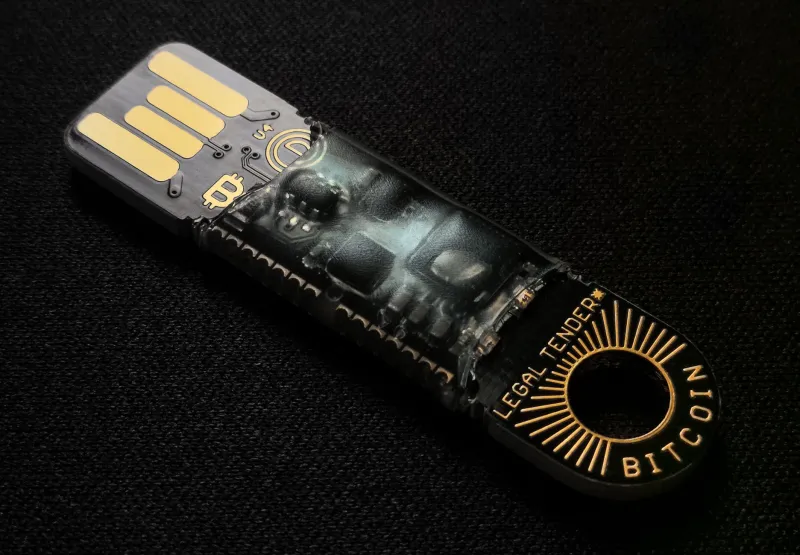
Here's a scenario that plays out more than you'd think. A bettor does everything right: they research the platform, find genuine value, place a smart bet, and win. Then they go to withdraw their profits to cold storage—because they've read all the right guides about self-custody—and suddenly their money is tied up in a hardware wallet signing process while the market moves on without them.
Or worse: they need to fund a new position quickly, and the process of pulling from cold storage takes long enough that the line has already shifted by the time they're ready to bet.
The tension between security best practices and betting execution is real. But it doesn't have to be a binary choice. With the right wallet structure, you can protect serious money and stay nimble enough to operate as an active bettor. Here's how to build that setup.
Why the Standard Advice Doesn't Quite Fit Bettors
Most self-custody guides are written for crypto holders, not crypto bettors. The advice—keep everything in cold storage, only move what you need for immediate transactions—makes perfect sense if you're a long-term investor who moves funds a few times a year.
Active bettors have a different operational profile. They're moving funds more frequently, often in response to time-sensitive opportunities, and they need to balance three competing priorities: security, liquidity, and speed. The standard "everything in cold storage" advice optimizes hard for security at the expense of the other two.
The solution is a tiered wallet architecture. Think of it like how a restaurant manages its cash: some is in the register for immediate use, some is in the safe for same-day access, and the rest is in the bank for longer-term holding. Each tier has a different security level and a different access speed.
Tier One: Your Hot Wallet (The Register)
This is your active betting stake—the funds you're actually wagering with right now. It lives in a software wallet or directly on a platform, and it should hold only what you're prepared to lose or actively use in the near term.
How much? That depends on your betting volume, but a reasonable rule of thumb is no more than two to three weeks of expected betting activity. If you're placing $500 in bets per week, your hot wallet probably doesn't need more than $1,500 at any given time.
The hot wallet gets replenished from Tier Two when it runs low. It's not where you store profits—it's a working capital account.
For US bettors using crypto betting platforms, the hot wallet is often just the platform's internal balance plus a connected MetaMask or similar software wallet for quick on-ramp. Keep gas funds available if you're operating on Ethereum or a Layer 2—running dry on ETH for gas in the middle of a withdrawal is a frustrating and avoidable problem.
Tier Two: Your Warm Wallet (The Safe)
This is where it gets interesting for active bettors. A warm wallet sits between your hot wallet and cold storage—accessible without major friction, but with more security than a software wallet running on your everyday device.
Practical options here include:
A dedicated hardware wallet used frequently. A Ledger or Trezor that you actually keep nearby and use regularly. Not buried in a drawer—plugged in and ready. The signing process for a hardware wallet takes a few minutes, not hours. If that's too slow for your workflow, the issue might be your workflow, not the hardware wallet.
A separate software wallet on a dedicated device. A phone or tablet that's used only for crypto transactions, not for general browsing, apps, or email. This reduces attack surface significantly compared to a wallet app on your everyday smartphone.
A multi-sig setup with two-of-two or two-of-three keys. This is the more advanced option, but it's worth understanding. Multi-signature wallets require multiple private keys to authorize a transaction. A two-of-three setup means you have three keys and need any two to sign. One key can be on your phone, one on a hardware wallet, one stored securely offline. This gives you flexibility without single-point-of-failure risk.
Your warm wallet should hold your recent winnings and your medium-term betting reserve—money you expect to need within the next month or two.
Tier Three: Cold Storage (The Bank)
This is your serious money. Profits you're not planning to touch for months. Long-term accumulation from your betting operations. The funds that, if something went wrong with your hot or warm wallet, wouldn't end your betting career.
Cold storage means a hardware wallet that's not connected to your computer or phone except when you specifically need to move something. It means the seed phrase is written on paper (or stamped in metal), stored somewhere physically secure, and not photographed or saved digitally anywhere.
The key point about Tier Three: you should rarely need to access it for betting purposes. If you're regularly pulling from cold storage to fund bets, your Tier One and Tier Two balances are probably undersized relative to your betting volume.
The Withdrawal Timing Problem (And How to Solve It)
One of the most common friction points is the gap between winning a bet and getting that money into cold storage efficiently. Here's a practical workflow:
When you win a meaningful amount, don't rush to move it immediately. Accumulate winnings in your warm wallet until you hit a threshold that justifies the gas costs and time of a cold storage transfer. For most bettors, that threshold is somewhere between $500 and $2,000 depending on the network you're using.
Schedule your cold storage transfers at regular intervals—weekly or bi-weekly—rather than reacting to every win. This turns a reactive, ad-hoc process into a routine that doesn't disrupt your betting operations.
If you're on a platform that supports direct withdrawal to a hardware wallet address, use that feature. Some platforms let you whitelist specific withdrawal addresses, which also adds a security layer against address-swap attacks.
Hardware Wallet Integration With Betting Platforms
Not all platforms play nicely with hardware wallets for direct connection, but most support withdrawal to any external address—which means your Ledger or Trezor's receive address works fine as a destination. You're not connecting the hardware wallet to the platform; you're just using its address as the withdrawal target.
For deposits from a hardware wallet to a platform, the process is: connect the hardware wallet to your computer via the companion app, initiate the send transaction, confirm on the device. Takes three to five minutes. If that speed is a dealbreaker for your betting workflow, you probably need a larger warm wallet buffer so you're not constantly pulling from hardware wallets for routine deposits.
The Setup That Actually Works
Tiered wallet architecture isn't complicated once you've built it. The setup cost—maybe an afternoon to get everything configured and tested—pays off every time you close a winning position and know exactly where that money is going and how fast you can access it.
Bet direct. Settle fast. Store smart. That's how you protect profits without letting your security setup slow down your edge.