Four Halvings, Four Playbooks: How Sharp Crypto Bettors Turned Bitcoin's Most Predictable Event Into a Betting Edge
There's a running joke in crypto circles that Bitcoin halvings are the only financial events where everyone knows exactly what's coming and still manages to be surprised when it happens. The block reward cuts in half. Supply shock follows. Price cycles play out. Lather, rinse, repeat.
But here's the thing: while retail investors are busy debating whether "this cycle is different," a specific breed of crypto bettor has been quietly treating halvings like a recurring item on their betting calendar — not unlike how a sharp NFL bettor treats the combine or the draft. Predictable. Structured. Exploitable.
Let's break down what actually happened across all four halvings, how betting volumes and odds shifted around each one, and what positioning strategies separated the winners from the people who just got lucky.
Why Halvings Create Betting Edge in the First Place
The core mechanic is simple: every 210,000 blocks, Bitcoin's mining reward drops by 50%. This happens roughly every four years. The dates aren't random — they're calculable months in advance. That predictability is exactly why halvings generate edge for bettors who do their homework.
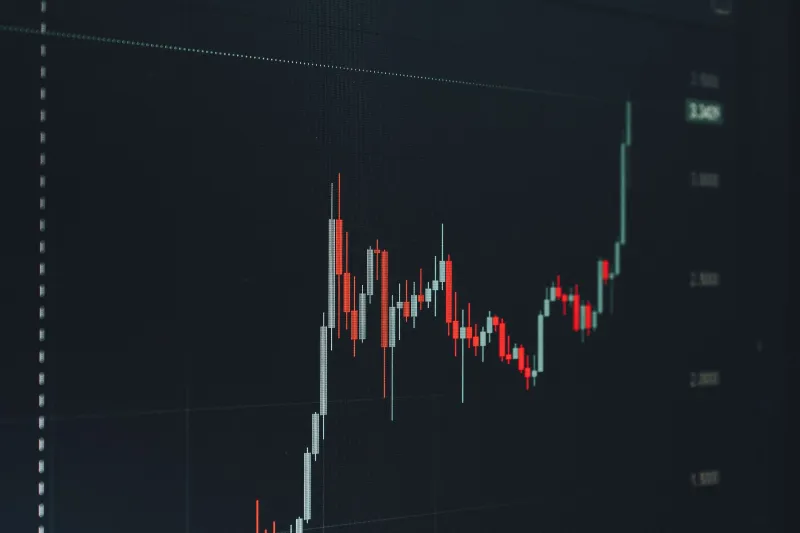
The market dynamics surrounding halvings tend to follow a loose but recognizable arc: accumulation in the months leading up, a price run that begins anywhere from 6 to 12 months before the event, a post-halving consolidation period, and then the explosive bull phase that typically peaks 12 to 18 months after. It's not clockwork — but it's close enough to structure a thesis around.
For crypto bettors specifically, this matters because betting volumes, platform liquidity, and even the odds offered on crypto-native prop markets all move in response to Bitcoin's price action. When BTC is running hot, sportsbooks and crypto betting platforms see surging deposits, inflated handle, and — critically — odds adjustments that lag slightly behind actual market sentiment.
Halving One (2012): The Wild West Baseline
The first halving in November 2012 is mostly useful as a historical footnote. Bitcoin was trading around $12. The betting ecosystem around crypto barely existed. But what this halving established was the template: price began climbing roughly six months before the event, and the real bull run didn't materialize until well into 2013.
The lesson for modern bettors isn't the specific numbers — it's the structure. The pre-halving accumulation phase and the delayed post-halving explosion became the pattern everyone would try to trade in subsequent cycles.
Halving Two (2016): The First Real Positioning Opportunity
By July 2016, there was actual infrastructure around crypto betting. Bitcoin was hovering near $650 heading into the halving, and savvy bettors who'd been watching the 2012 cycle started positioning early — not just in BTC itself, but in betting markets that were increasingly denominated in or sensitive to crypto prices.
The key move here was timing deposit windows. Bettors who loaded up their crypto sportsbook accounts with BTC in the three to four months before the halving effectively gave themselves a compounding edge: their bankroll appreciated in fiat terms even before a single bet was placed. When BTC ran from roughly $650 to over $2,500 by mid-2017, those early depositors were playing with house money in the most literal sense.
Odds on crypto-adjacent markets — think esports, online poker tourneys, and early prediction markets — also showed measurable inefficiency during this window, partly because bookmakers hadn't yet built halving cycles into their pricing models.
Halving Three (2020): Institutional Awareness Changes the Game
The May 2020 halving is where things got interesting. Institutional money had started showing up in the Bitcoin ecosystem, which meant the "dumb money" dynamic that made earlier cycles so exploitable was beginning to fade. But it didn't disappear entirely.
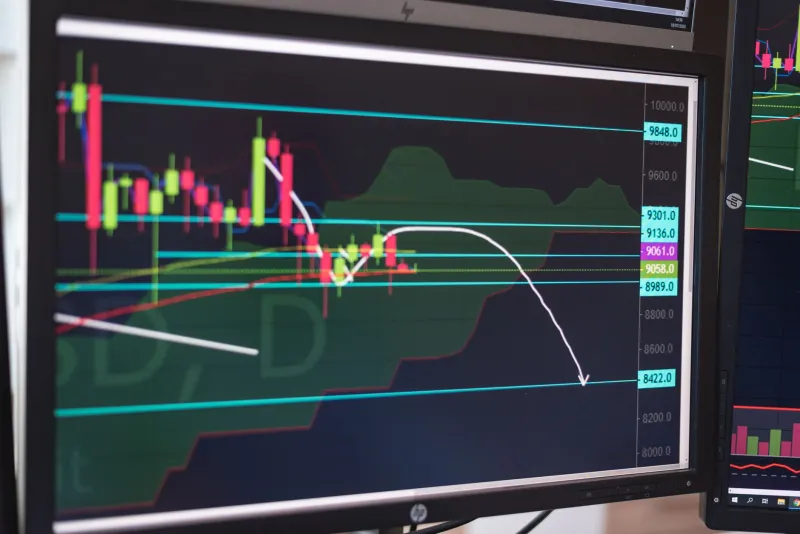
What sharp bettors identified this time around was a two-phase opportunity. First, the pre-halving run: BTC climbed from around $7,000 in early 2020 to nearly $10,000 by halving day. Second — and this is the part most people missed — the post-halving consolidation dip. Price actually pulled back to around $8,500 shortly after the event before the real run began.
Bettors who understood this pattern used the dip as a re-entry point, both for their crypto holdings and for loading betting accounts ahead of what became one of the most explosive bull markets in Bitcoin's history (BTC eventually hit $69,000 in November 2021).
Betting volumes on platforms like crypto sportsbooks surged as price climbed, which created a secondary edge: public bettors chasing action in a hot market tend to push lines in predictable ways. Sharps who'd been positioned early found themselves with favorable odds on markets that retail players were piling into at peak enthusiasm.
Halving Four (2024): The ETF Variable
The April 2024 halving introduced a significant new variable: the approval of spot Bitcoin ETFs in January of that year. This fundamentally changed the pre-halving setup. Instead of the typical 6-to-12-month slow accumulation, Bitcoin ran hard from roughly $25,000 in late 2023 to over $70,000 before the halving even occurred.
Bettors who applied the 2020 playbook mechanically got burned by the front-loaded nature of the 2024 cycle. But those who adapted — recognizing that ETF inflows were compressing the typical timeline — still found opportunity in the post-halving consolidation window and in the increased betting activity that came with mainstream crypto awareness.
The broader lesson from 2024: halvings create edge, but the specific form of that edge evolves. The underlying structure remains, but the execution has to account for how the market has matured.
The Positioning Framework Sharp Bettors Actually Use
Across all four cycles, a few consistent strategies emerge:
Early bankroll positioning. Loading crypto betting accounts 3 to 6 months before a halving means your wagering capital appreciates during the pre-halving run. This is free edge that requires no betting skill whatsoever.
Fading the post-halving hype spike. In every cycle, there's a window immediately after the halving where retail enthusiasm peaks and betting markets get inefficient. Sharps fade this noise and wait for the market to normalize before pressing their advantage.
Tracking on-chain accumulation signals. Metrics like exchange outflows (coins moving off exchanges into cold storage) and long-term holder supply changes tend to telegraph accumulation phases. Bettors who monitor these signals get a head start on the crowd.
Setting a calendar, not a price target. The sharpest halving bettors don't try to call the exact top. They operate on time-based frameworks — positioning windows, consolidation windows, peak-enthusiasm fading windows — rather than chasing specific price levels.
The Takeaway
Bitcoin halvings are the closest thing crypto has to a scheduled market event with historical precedent. They're not guaranteed money — nothing in betting is — but they represent a structured opportunity that most bettors completely ignore because they're too busy reacting to price moves instead of anticipating them.
The bettors who've consistently extracted edge from halvings aren't geniuses. They're just the ones who did the historical homework and showed up early. With the next halving cycle already taking shape on the horizon, there's no reason to be caught flat-footed again.