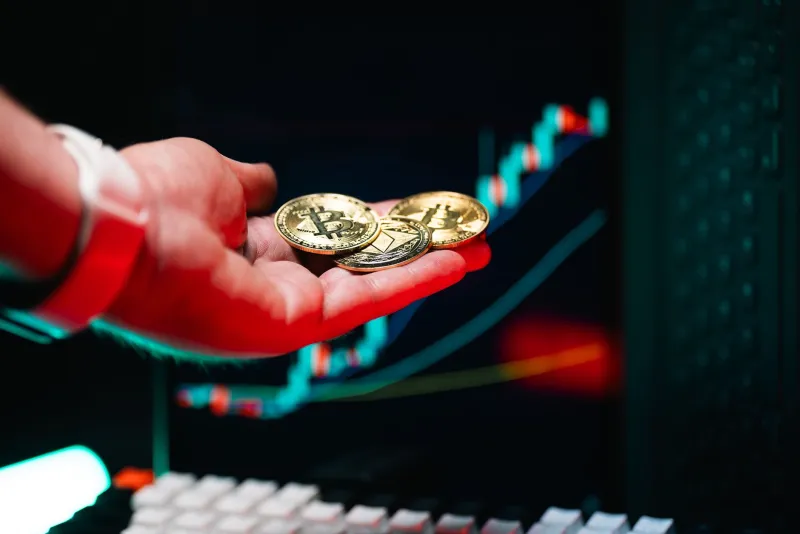
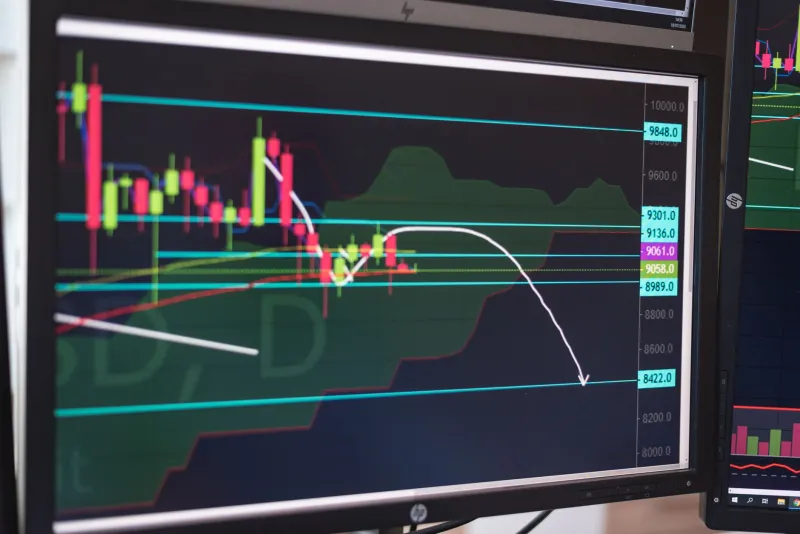
Protocol Shake-Ups and Mispriced Odds: How Blockchain Upgrades Hand Smart Bettors a Temporary Edge
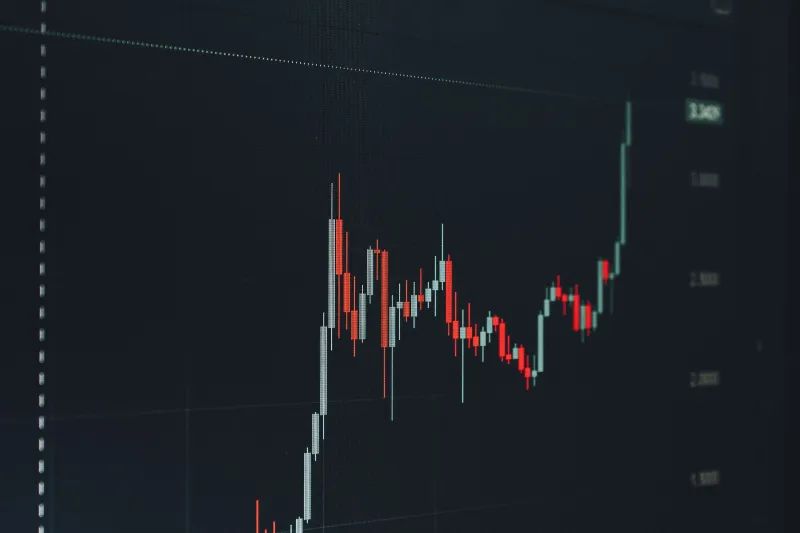
Most bettors treat blockchain news as background noise. A network upgrade drops, they see a few headlines about it, maybe notice their transaction times getting weird for a day, and move on. Sharp bettors do something different: they watch those events like a hawk, because they've learned that protocol-level chaos tends to create pricing inefficiencies across crypto betting markets that don't last long.
This isn't about being a developer or reading whitepapers. It's about understanding why these events create dislocation—and having a framework ready before the next one hits.
Why Forks and Upgrades Break Betting Markets (Temporarily)
Crypto betting platforms are businesses running on top of blockchain infrastructure. When that infrastructure goes through a major change, several things happen at once:
First, platform operators get distracted. Engineers are monitoring network behavior, compliance teams are assessing risk, and customer support is fielding confused users. The people responsible for setting and adjusting lines are working with degraded attention and incomplete information.
Second, liquidity fragments. During uncertain network conditions, some users pull funds off platforms. Others rush to move assets in anticipation of a chain split. The thinner the liquidity on a given market, the less efficiently it's priced—and the more likely a sharp bettor can find value.
Third, correlation breaks down. Normally, crypto betting odds on certain markets track reasonably well across platforms through arbitrage pressure. During a fork or upgrade event, that synchronization slips. Platforms that are heavily affected by the network disruption lag behind platforms that are less exposed.
Put those three factors together and you get a window—sometimes a few hours, sometimes a couple of days—where the market is genuinely inefficient.
The Ethereum Merge: A Case Study in Controlled Chaos
The September 2022 Ethereum Merge—when the network shifted from proof-of-work to proof-of-stake—was probably the most telegraphed major blockchain event in history. Developers had been signaling it for years. And yet, the 72-hour window around the actual transition date produced some of the most interesting betting market behavior in recent memory.
In the weeks leading up to the Merge, speculation about whether it would go smoothly created genuine uncertainty in ETH-denominated betting markets. Platforms that held large ETH reserves were quietly adjusting their exposure. Some temporarily tightened withdrawal limits or added friction to large transfers. Others widened their margins on certain bet types to protect against volatility.
For bettors paying attention, those widened margins were a signal. When a platform gets defensive on pricing, the underlying odds often drift from their true probability in ways that create exploitable gaps—especially when you can compare across multiple platforms simultaneously.
The post-Merge ETH price action also created secondary betting opportunities. Several crypto prediction markets had priced in scenarios that didn't materialize, and the settlement of those positions created unusual flow patterns that briefly affected odds on related markets.
Bitcoin Taproot: The Quieter Opportunity
Not every upgrade creates obvious chaos. Bitcoin's Taproot upgrade in November 2021 was smoother than many expected—but it still produced a window of mispricing, just a subtler one.
Taproot improved Bitcoin's scripting capabilities and privacy features. The more interesting angle for bettors wasn't the upgrade itself but the miner signaling period that preceded it. For months before activation, the community watched miner support percentages tick upward. As the threshold approached, BTC price action and sentiment indicators moved in ways that some crypto betting markets failed to fully incorporate into their lines.
Bettors who tracked the signaling data had a cleaner read on the likely outcome than the market implied—and that information gap, even a small one, is all you need.
Building Your Fork-Watching Framework
You don't need to predict every upgrade to benefit from this dynamic. You need a systematic way to identify when a significant event is approaching and what signals to watch for as it gets closer.
Step one: Track the upgrade calendar. Resources like Ethereum's GitHub roadmap, Bitcoin's BIP tracker, and major Layer 2 project blogs publish upgrade timelines well in advance. Set calendar reminders 30 days, 7 days, and 48 hours before significant events.
Step two: Monitor platform behavior changes. In the days before a major network event, watch for signs that platforms are getting defensive—widened spreads on certain markets, changes to withdrawal processing times, unusual updates to terms or limits. These are tells.
Step three: Compare odds across platforms aggressively. During the 48-hour window around a major event, cross-platform line comparison becomes especially valuable. The platforms least affected by network disruption tend to maintain tighter, more accurate lines. The ones running into technical friction fall behind.
Step four: Size conservatively. This is important. Mispriced odds during network events can be real, but the uncertainty that creates them also increases variance. Don't bet large on the chaos itself—bet measured amounts on specific inefficiencies you can identify and document.
The Coming Calendar and What to Watch
The crypto ecosystem isn't slowing down on protocol development. Ethereum's ongoing scaling roadmap, including future upgrades around sharding and EIP implementations, will continue creating these windows. Solana's periodic network upgrades have historically caused their own brand of temporary market disruption. And any major Layer 2 network hitting a significant milestone—Arbitrum, Optimism, Base—creates ripple effects worth monitoring.
The key insight is this: these events are scheduled. Unlike a surprise injury report in sports betting or breaking economic news, most blockchain upgrades give you weeks of lead time. That's a genuine advantage if you use it.
The Edge Is in the Preparation
Fork-watching isn't a full-time job. It's a layer of awareness you build into your existing betting routine. Set your alerts, check the calendar, and know what to look for when the market gets noisy. The bettors who profit from protocol chaos aren't the ones who understand the most code—they're the ones who show up prepared while everyone else is distracted.