The Real Price of Fast Money: Hidden Costs Eating Your Crypto Betting Profits
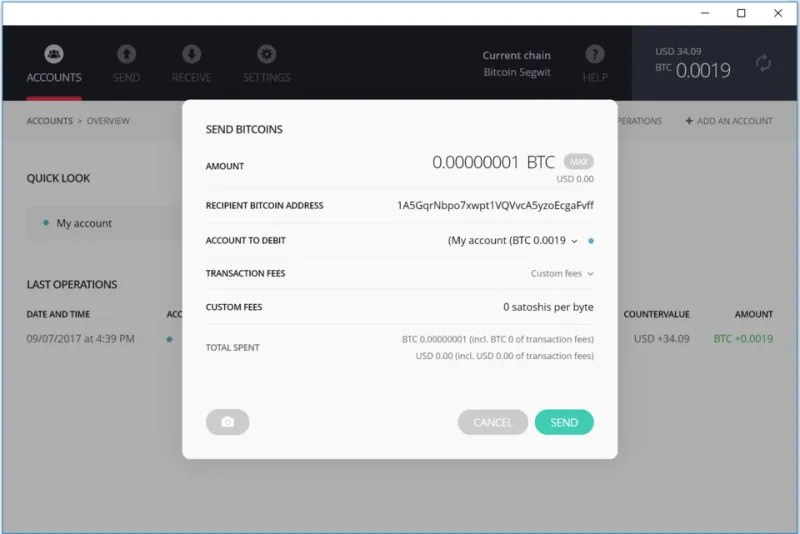
Photo: FlippyFlink, CC BY-SA 4.0, via Wikimedia Commons
Let's be honest — one of the biggest selling points of crypto betting is the speed. No waiting three to five business days for a wire transfer. No pending withdrawal that sits in limbo while a sportsbook's finance team "reviews" your request. You win, the smart contract fires, and the crypto lands in your wallet. Done.
Except it's not quite that simple.
Beneath that seamless, near-instant settlement experience is a financial plumbing system that quietly charges you in ways that don't show up as a line item on your transaction receipt. If you've ever wondered why your winnings seem slightly smaller than they should be — or why a rushed payout during a busy network moment cost you more than expected — this is the article you needed six months ago.
What MEV Actually Is (And Why It's Your Problem)
Miner Extractable Value, now more commonly called Maximal Extractable Value (MEV), is one of those blockchain concepts that sounds deeply technical but has very real, very practical consequences for your betting wallet.
Here's the short version: on blockchains like Ethereum, the people (or automated bots) who validate and order transactions have the ability to insert, reorder, or front-run transactions before they're confirmed. When you submit a transaction to settle a bet, bots are scanning the mempool — basically the waiting room for unconfirmed transactions — looking for opportunities to profit at your expense.
In a betting context, this can manifest as sandwich attacks on decentralized exchange swaps tied to your settlement, or simply as your transaction getting deprioritized unless you're paying a premium gas fee. The result? You pay more to get paid faster, or you wait longer and risk the network congesting further while you sit on a pending payout.
A 2023 analysis by Flashbots estimated that MEV extraction has siphoned hundreds of millions of dollars from everyday users across DeFi protocols — and decentralized betting platforms live squarely in that ecosystem.
Slippage: The Cost Nobody Mentions in the Promo
If your crypto betting platform settles in a specific token — say, a platform-native coin or a less liquid altcoin — there's a good chance your winnings get routed through a liquidity pool or decentralized exchange before landing in a form you can actually use.
That routing process introduces slippage.
Slippage is the difference between the price you expected when the transaction was initiated and the price you actually got when it executed. On thin liquidity pools, even a modest payout can move the market enough to cost you a meaningful percentage. A $500 win settling through a pool with limited depth might net you $480 after slippage — and you'd never know unless you did the math yourself.
Sharp bettors who stick to platforms settling in major stablecoins like USDC or high-liquidity assets like ETH or BTC sidestep most of this risk. The deeper the liquidity, the tighter the slippage. It's not glamorous advice, but it's the kind of thing that compounds into real money over a season of betting.
Gas Fees and the Congestion Trap
Ethereum gas fees are notoriously volatile. During periods of high network activity — a major NFT drop, a market-wide crypto event, or even a massive sports betting night — the cost to get your transaction confirmed in a reasonable timeframe can spike dramatically.
Here's where impatient bettors get punished: if you're withdrawing winnings during a network crunch and you set your gas to "fast" or "urgent" in your wallet, you might be paying $15, $25, or more just to push that transaction through. On a $100 win, that's a 15-25% haircut before you've even thought about taxes.
Layer-2 solutions like Arbitrum or Optimism have helped significantly, and platforms built on faster chains like Solana or Avalanche largely sidestep this issue. But plenty of established decentralized betting protocols still operate on Ethereum mainnet, and those gas costs are real.
The move here is timing awareness. Gas prices follow predictable patterns — they're typically lower on weekends, lower during US overnight hours, and spike around major market events. Tools like ETH Gas Station or the gas tracker built into most modern wallets give you a real-time read. Waiting 20 minutes to withdraw during a lull can save you more than you'd expect.
The "Free" Withdrawal Illusion
Many crypto betting platforms advertise zero withdrawal fees. And technically, they're not lying — the platform itself isn't charging you. But the network is. And the bots extracting MEV are. And the slippage on any token conversion involved is.
When you add it all up across a month of active betting, these micro-costs can represent a surprisingly significant drag on your returns. A bettor making 50 withdrawals a month on a high-traffic Ethereum-based platform, each during moderate congestion, could easily be absorbing $200 or more in combined gas, slippage, and MEV-related friction.
That's money that could be sitting in your bankroll.
How Sharp Bettors Actually Minimize These Costs
None of this means instant settlement is a bad deal — it's still vastly better than waiting a week for a bank wire. But the smart approach is treating settlement costs like any other line item in your betting operation.
Batch your withdrawals. Instead of pulling funds after every win, consolidate. One larger transaction costs roughly the same in gas as five small ones.
Time your settlements. Use a gas tracker and pull your winnings when the network is quiet. Sunday mornings and late-night US hours are historically cheaper on Ethereum.
Prioritize high-liquidity settlement assets. Platforms paying out in USDC, ETH, or BTC give you far less slippage exposure than proprietary tokens routed through shallow pools.
Use MEV-protected transaction services. Tools like Flashbots Protect or similar MEV-blocking RPC endpoints can shield your transactions from front-running bots. It takes five minutes to set up in MetaMask and it's free.
Choose chains built for speed and low cost. If you have flexibility in which platforms you use, favor those built on Layer-2s or low-fee chains. The settlement experience is nearly identical, but the cost profile is dramatically better.
The Bottom Line
Instant settlement is a genuine advantage over legacy sportsbooks — don't let anyone tell you otherwise. But "instant" doesn't mean "free," and the bettors who treat it that way are quietly leaving money on the table with every transaction.
Understanding the mechanics of MEV, slippage, and gas volatility doesn't require a computer science degree. It just requires the same analytical mindset you already bring to reading lines and sizing bets. The edge in crypto betting isn't just in picking winners — it's in keeping as much of your winnings as possible once you do.
At DirectUFABet Crypto, we think you deserve to know exactly what a transaction costs before you hit confirm. Because the house doesn't always take its cut at the sportsbook window. Sometimes it happens in the mempool.